Visa Venezolana: Requisitos Fotográficos
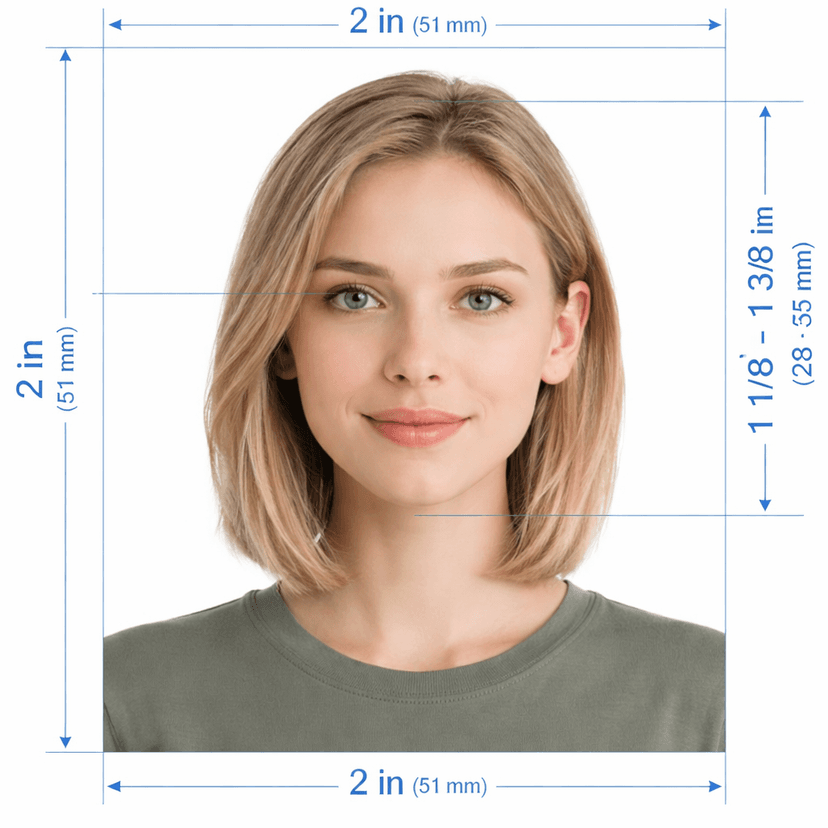
Para solicitar una visa venezolana en consulados, se requiere una fotografía de 30x40mm con fondo blanco. Al igual que con el pasaporte, el requisito clave es el tamaño de la cabeza, que debe ser exactamente el 75% de la altura de la foto. Las fotos de 35x45mm no son aceptadas para trámites de visa venezolana.
Venezuela Visa Biometric Targets
Size
30x40 mm
Background
White
Head Range
75%
File
JPEG
Solicitud de Visa Consular
Los consulados venezolanos verifican manualmente el tamaño de la cabeza. Una foto que no cumpla con el 75% exacto resultará en la devolución de la solicitud. Nuestra herramienta proporciona una foto digital y una plantilla de impresión que garantizan el cumplimiento de esta norma.
Checklist Foto Visa
- Tamaño: 30x40mm.
- Altura Cabeza: 75% exacto.
- Fondo: Blanco.
Visa Venezolana sin Errores
Obtén la foto 30x40mm con el 75% exacto de altura de cabeza requerida para tu visa venezolana.